The 2026 Mandate: Three Structural Shifts Redefining MENA Supply Chains

In a landscape of accelerated change, reactivity is the greatest strategic risk. Here’s what leadership needs to build instead.

Executive Summary


The MENA supply chain is at an inflection point. In 2026, advantage will not be won through incremental improvements, but through structural adaptation. Three converging forces are reshaping the foundational rules of logistics, moving faster than traditional planning cycles can accommodate. Organizations that recognize and act on these shifts will unlock resilience and growth; those that delay will face eroding margins and fragile operations.


The Three Irreversible Shifts of 2026


This year, success will be defined by how well companies navigate these core transformations:

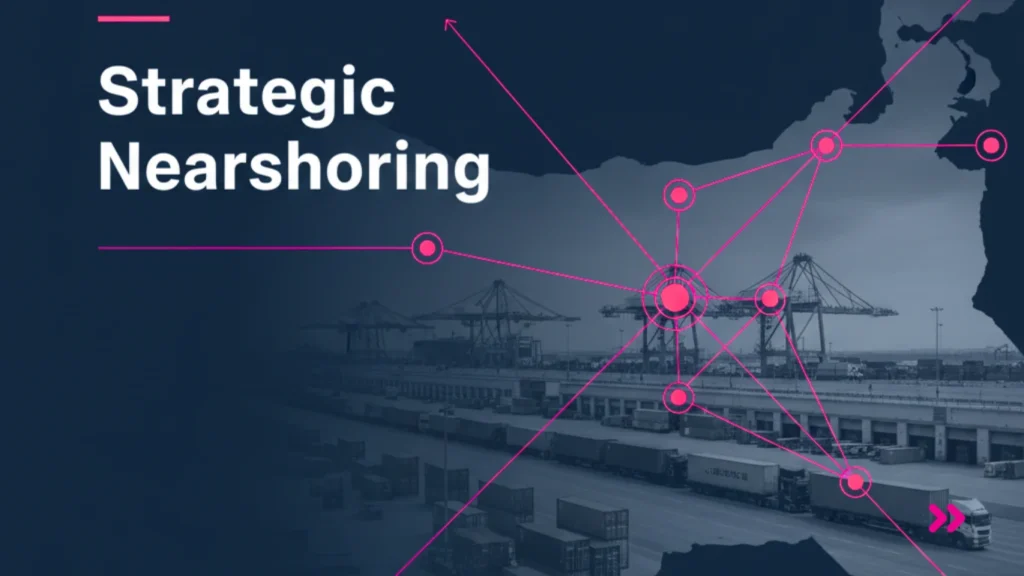
  1. From Offshoring to Strategic Nearshoring
    The goal is no longer merely cost arbitrage, but strategic proximity. Businesses are redesigning sourcing networks to bring production and assembly closer to key consumption markets—not just as a buffer against disruption, but as a permanent architecture for agility. This shift reduces critical-path dependency on long, volatile corridors and embeds responsiveness into the supply chain’s DNA.
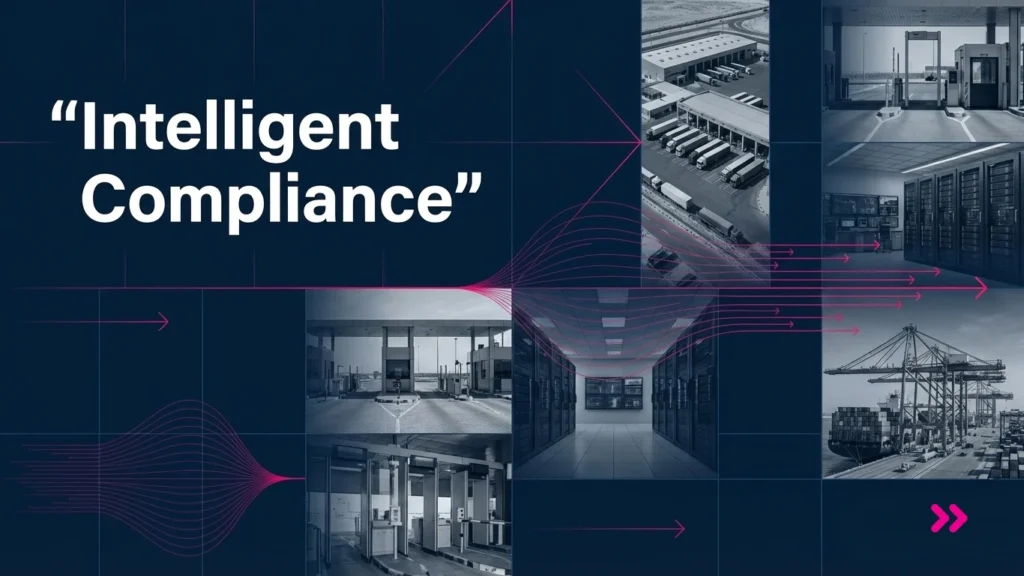
  2. From Manual Compliance to Intelligent Compliance
    Paperwork and static processes are becoming a legacy liability. Compliance is evolving into a real-time, predictive function. Through digital customs platforms, automated document validation, and AI-driven risk flagging, the border is transformed from a checkpoint into a seamless data node. Intelligent compliance turns a traditional bottleneck into a competitive accelerator.


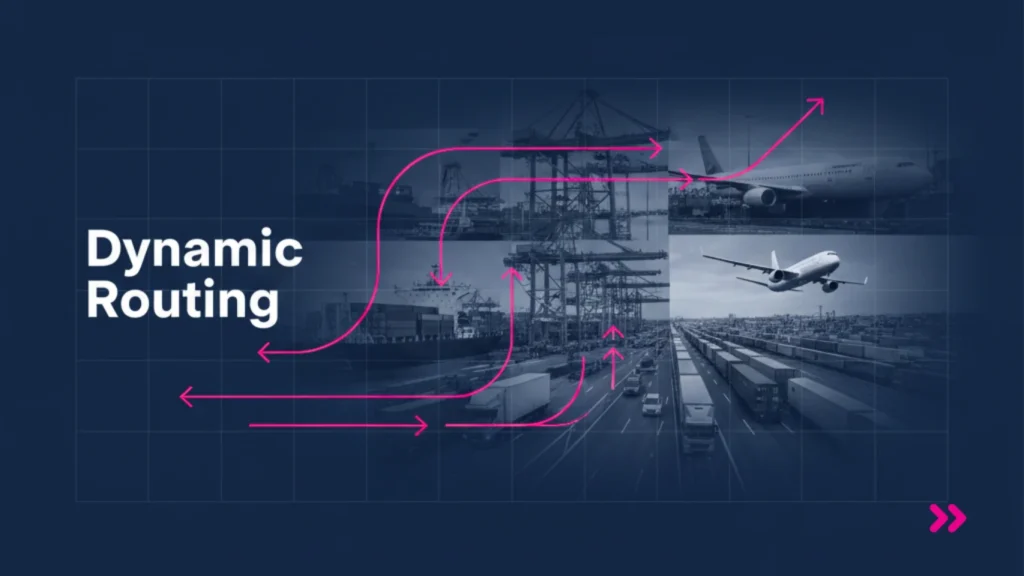
3.From Fixed Routing to Dynamic Routing Intelligence
Annual contracts and fixed lanes cannot absorb 2026’s freight volatility. The new model is dynamic, data-driven, and continuous. This means leveraging real-time market intelligence to adapt routes, modes, and partners not quarterly, but weekly or even daily, turning market fluctuation from a threat into a managed opportunity.


The Strategic Imperative: Closing the Latency Gap


The central risk this year is decision latency. In an environment defined by these shifts, companies that remain reactive—waiting for disruptions to occur before responding—will confront a dangerous and widening gap. Their costs will be higher, their service slower, and their customer promises less reliable than those of competitors who act on insight, not hindsight.

Visibility alone is no longer enough. The mandate now is prescriptive agility: the integration of real-time data, predictive analytics, and empowered decision-making to act before the cost of inaction accrues.


The FastFwd Perspective


Proactive logistics has transcended the best operational practice. In the face of these structural forces, it is now a non-negotiable strategic requirement. The question for leadership in January 2026 is no longer if to adapt, but how swiftly can your organization reorient its partnerships, processes, and technology stack around this new reality.

The time to build is now.

Related news

Need Assistance?

Please provide your information to help us reply faster.

Powered by FastFwd Logistics

Inactive

Login